yellowpeoplemagazine@gmail.com
 +234 907 659 6980
“Choose Play—Every Day”!
Dear special needs kindred,
It is an honor to share this with you as I take you on this journey of learning, spreading light, showing love, hope and extending hands to persons with special needs through awareness, acceptance and appreciation of their peculiarities.
It’s with utmost delight and gratitude to use this media to inspire, inform and impact lives through the art of storytelling—-writing.
Let’s go on this journey as we build a legacy through creativity, collaboration and consistency.
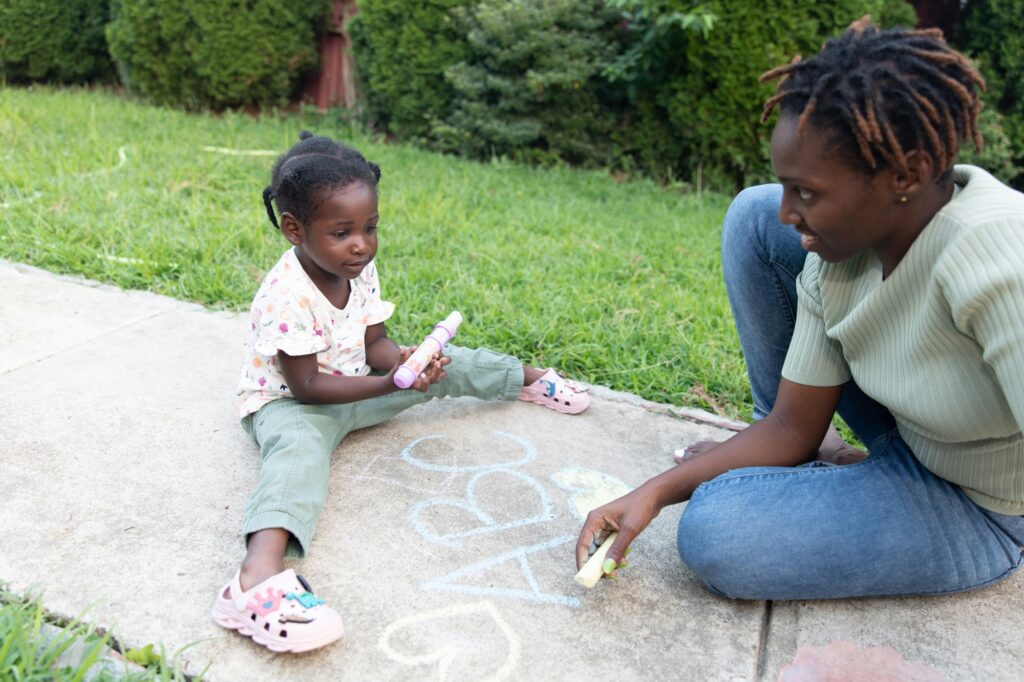
Choose play—-every day! Yes! Ensure you play every day!
Play isn’t just a physical activity-it’s essential for your growth and all-round success. When was the last time you played with your spouse, teammates, colleagues, children, parents, friends, etc? How did you feel when you did that?! Great! I believe!
Do you understand the power of play for children with special needs? Do you understand the importance and the legal rights of play?
Well, I’m here inform you that play is a fundamental right of every child, as outlined in Section 31 of United Nations Convention on the Rights of the Child (UNCRC) and the United Nations Convention on the Rights of Persons with Disabilities (UNCRPD) affirm that children have the right to play.
- Play is central to learning and development, helping children with special needs improve their communication, cognitive and physical skills.
- Inclusive play boosts self-esteem, confidence, empathy and prepares children for interactions with their peers and other members of the society.
- Play guarantees health, safety and social security benefits of children that provide opportunities for creativity and independence.
As aforementioned the right to play is a fundamental human right and as such a child with special needs should exercise and enjoy the right. We must prioritize play in our homes, schools and social gatherings as it helps us bond, share and cherish special moments which are treasured for a lifetime.
- For a child with special needs, play strengthens connection- when you play with a child with special needs, the child will be fond of you and would always love to have you around him or her.
- It sparks curiosity in them and they will always find ways to please you by the way you play with them by solely watching and observing your demeanor while at it.
Play incorporates social skills such as sharing, cooperating and taking turns. This helps to build friendships, reliance and trust in oneself and others.
Please remember to focus on what your child can do, rather than what they can’t!
Play should be personally directed and not intrinsically motivated.
Play should be spontaneous, pleasurable, rewarding and voluntary.
Play for a child with special needs, includes sensory play, interactive games which stimulate their senses, support their development in a fun, engaging and accessible way.
Sensory play: These are activities that stimulate touch, sight, smell, sound and taste which help them explore and understand the world. Examples include playing in the sand, blowing bubbles, or exploring sensory bins filled with rice, pasta or waist beads.
Play for Children with Cerebral Palsy
Blowing bubbles is a highly beneficial form of play offering multiple developmental advantages:
- Visual tracking: Bubbles help build eye-hand coordination, improve visual movement coordination and improve reading ability.
- Fine motor skills: Popping bubbles with fingers or hands also enhances eye coordination and finger isolation which are important for daily tasks like writing, drawing and dressing.
- Oral motor skills: Blowing bubbles strengthen the muscles in the mouth, supporting speech development and feeding abilities.
- Gross motor skills: Chasing, jumping or stomping bubbles encourages large muscle use,balance and coordination.
- Language and social development: Bubble play encourages communication through words like “pop”. This form of play encourages turn-taking, joint attention and participation, fostering social interaction and vocabulary growth.
- Calming and organizing: The proprioceptive input from blowing bubbles can regulate and keep the child calm.
Play for Children with Dyslexia
- Multisensory learning games: Use visual, auditory, and tactical methods such as writing letters with colored markers on chalkboards, writing in the sand or rice to reinforce letter recognition and phonetics.
- Language and memory games: Activities like rhyming games, flash cards and memory matching help build phonemic awareness, vocabulary and working memory.
- Movement based learning: Incorporating rhythm and movement, such as clapping syllables or playing outdoor musical instruments, supports timing, coordination and engagement.
- Creative and social play: Puppet play, charades, and partner coloring encourage communication, social skills and emotional expression.
How can we improve access to play for a child with special needs? We can achieve this by:
- Empowering families with accurate information and disability sensitive sessions can address stigmatizing beliefs and behaviors and help parents understand the different manifestations of play.
- Learning to understand what play is and why it matters to a child with special needs
- Prioritizing accessibility and inclusivity.
- Reducing stigmatization and increasing global awareness by challenging social perceptions and practices.
Resources to support Play for Children with Special Needs designed for Parents and Educators
Parents and educators can encourage play using a variety of specialized tools such as:
- Fidget toys( stress balls, sensory rings, squishy toys) help improve focus, reduce anxiety and develop fine motor skills.
- Sensory balls which aid hand-eye coordination and sensory exploration
- Weighted blankets and lap pads offer deep pressure input that calms anxiety and promotes relaxation and better sleep.
- Musical instruments (drums, keyboards, xylophones) encourage auditory processing,rhythm, self-expression and coordination
- Adaptive art supplies such as easy grip paintbrushes, chunky crayons, and adaptive scissors support creative expression and fine motor development.
These tools are tailored to the child’s individual preferences and developmental needs, parents and educators can create play experiences that are both enjoyable, therapeutic and memorable.
Choose play—every day! It’s a holistic approach to nurturing your mind, soul and spirit, laying a foundation for lifelong learning and wellbeing.
A special needs must live fully and for this purpose, you must choose play—-every day!
Remember, at YELLOW PEOPLE magazine, we encourage you to live for the sunshine!
With love and light,
YELLOW PEOPLE team
💛
© YELLOW PEOPLE magazine 2025